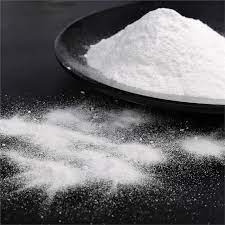
SODA ASH MINING IN TANZANIA
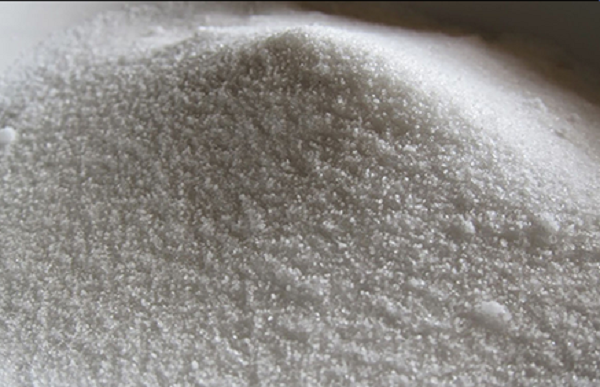
Soda ash, also known as sodium carbonate, is a white, odorless powder with the chemical formula Na2CO3. It’s highly soluble in water and is used in various applications, including glass manufacturing, water treatment, and cleaning.
Properties of Soda Ash:
· White solid: It’s a crystalline powder or granules that appear white.
· Odorless: It has no characteristic smell.
· Soluble in water: Dissolves readily in water, forming an alkaline solution.
· High pH: When dissolved in water, it increases the pH and alkalinity, making it useful for neutralizing acids and adjusting pH levels.
· Hygroscopic: It readily absorbs moisture from the air.
· Melting point: Anhydrous soda ash has a melting point of 851°C (1564°F).
· Boiling point: Anhydrous soda ash has a boiling point of 1600°C (2912°F).
Uses of Soda Ash:
· Glass manufacturing:
Soda ash is a key component in the production of various types of glass, including glass bottles, containers, and fibers. It lowers the melting point of silica sand, enabling glass to be formed at lower temperatures.
· Water treatment:
Soda ash is used to adjust the pH of water, soften hard water, and remove heavy metals. It increases the alkalinity of water, which is useful in various water treatment processes.
· Cleaning agents:
Soda ash is used in household detergents, cleaning powders, and as a stain remover. It has detergent properties that help to remove grease and stains.
· Textile industry:
Soda ash is used in the dyeing process, where it helps to fix reactive dyes on fabrics, improving color fastness and ensuring that the color remains stable after multiple washes. It’s also used in scouring (cleaning) to remove natural impurities from fabrics.
· Food and pharmaceutical industries:
Soda ash is used as an ingredient in some food products and in the manufacturing of certain pharmaceuticals.
· Other applications:
Soda ash is also used in the production of other sodium compounds, like borax, and in metallurgical processes, such as mineral separation and refining.
· Environmental applications:
Soda ash is used to remove sulfur dioxide and other harmful pollutants from industrial exhaust fumes.
Tanzania is poised to become a significant soda ash producer with ongoing projects at the Engaruka Basin and Lake Natron, though the latter has faced environmental concerns. The government is aiming to reduce reliance on imports and stimulate industrial growth by establishing soda ash factories, potentially producing 1 million metric tons annually. The Engaruka Basin, with an estimated 4.7 billion cubic meters of soda ash reserves, is a key focus.
Key Points:
· Engaruka Basin:
A major site for soda ash extraction, with an estimated 4.7 billion cubic meters of reserves.
· Lake Natron:
Initially planned for soda ash extraction but faced opposition due to environmental concerns, particularly regarding flamingo breeding grounds.
· Project Goals:
To reduce reliance on imported soda ash, boost local industries, and stimulate economic growth.
· Environmental Concerns:
The Lake Natron project raised concerns about the potential impact on flamingo habitats, leading to a shift to the Engaruka Basin.
· Production Capacity:
The Engaruka project aims to produce at least 1 million metric tons of soda ash annually, according to TanzaniaInvest.
· Local Impact:
The projects are expected to create jobs and offer training opportunities for local residents.
· Sustainability:
The Engaruka project emphasizes environmentally responsible practices like water conservation, waste management, and land reclamation, according to a Medium article.
· Government Support:
The Tanzanian government is providing support through favorable policies and infrastructure development