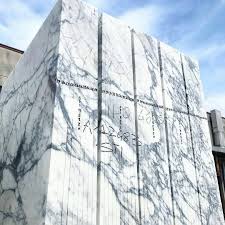
MARBLE, a metamorphic rock, is renowned for its distinctive properties including hardness, durability, and ability to be polished to a high shine. Its composition primarily consists of calcium carbonate (calcite), often with impurities that give it its varied colors and patterns.
Properties:
· Aesthetic Appeal:
Marble’s natural sheen and variety of colors and patterns make it a popular choice for decorative applications.
· Durability:
While softer than granite, marble is durable enough for various uses, including countertops and flooring, though it requires proper care to prevent staining and etching.
· Workability:
Marble is relatively easy to cut, carve, and shape, allowing for detailed sculptures and intricate architectural elements.
· Thermal Conductivity:
Marble has good thermal conductivity, making it cool to the touch and suitable for countertops and flooring in areas where temperature control is important.
· Hardness and Wear Resistance:
Marble’s high hardness and resistance to wear make it suitable for sculpture and construction.
· Resistance to Temperature:
Marble’s uniform internal structure, developed over time, prevents deformation due to temperature changes.
Uses:
· Architecture and Construction:
Marble is used in exterior walls, veneers, flooring, decorative features, stairways, and walkways.
· Interior Design:
Marble is a popular material for kitchen countertops, bathroom floors and walls, and decorative elements in halls and lobbies.
· Sculpture and Art:
Artists have used marble for centuries to create sculptures and other works of art.
· Monument Construction:
Marble’s durability and beauty make it a suitable material for monuments and memorials.
· Soil Treatment:
Some marble can be heated to form calcium oxide (lime), which is used to neutralize acidic soils.
· Other Uses:
Marble is also used in floor tiles, hearths, fire surrounds, and other decorative applications
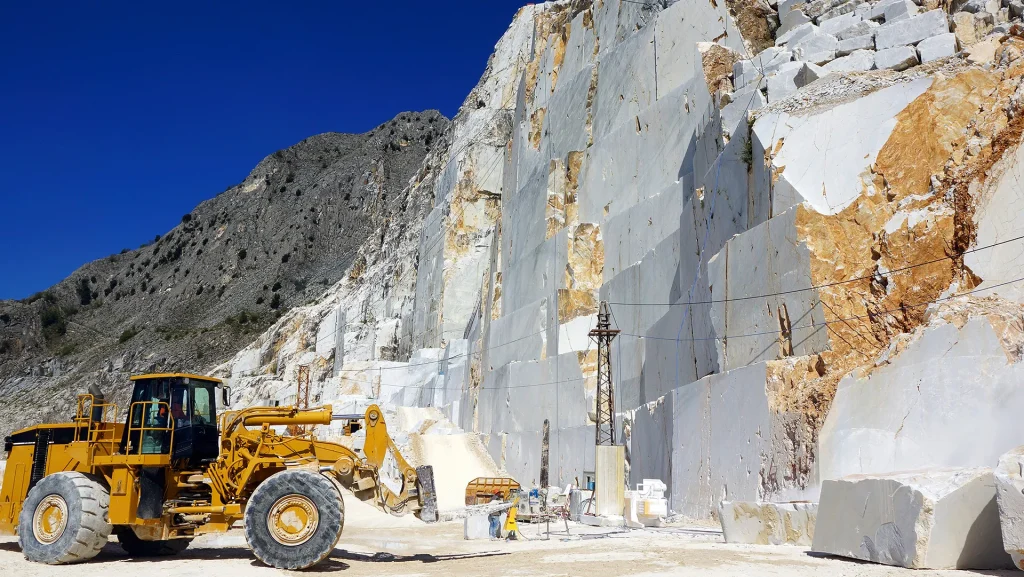
For any enquiries about marble deposits and mining please Contact Us.