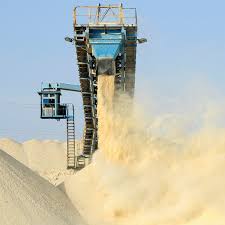
Phosphate (PO₄³⁻) is a chemical compound essential for life, playing critical roles in various biological systems and industrial applications. It is a key component of DNA, RNA, and ATP, all of which are crucial for cellular processes. Phosphate is also used in fertilizers, food additives, and various industrial products.
Properties:
· Structure:
Phosphate is a polyatomic ion with a central phosphorus atom surrounded by four oxygen atoms.
· Solubility:
Phosphate salts are generally less soluble in water compared to some other salts.
· Biological Importance:
Phosphate is a vital component of DNA, RNA, ATP, and phospholipids, all essential for cellular functions.
· Environmental Importance:
Phosphate cycles through ecosystems, and excess levels can lead to algal blooms and water pollution.
Uses:
· Fertilizers:
Phosphate is a major nutrient in fertilizers, essential for plant growth and crop production.
· Food Additives:
Phosphate salts are used as food additives to enhance texture, improve flavor, and act as emulsifiers.
· Industrial Applications:
Phosphate is used in detergents, rust removers, corrosion inhibitors, and various other industrial processes.
· Pharmaceuticals:
Phosphate is used in some medications, such as those for urinary tract infections or as dietary supplements.
· Other Applications:
Phosphate is also used in fire extinguishers, pyrotechnics, and special glasses.
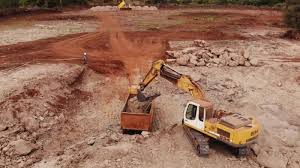
Tanzania has phosphate mining operations, primarily at Minjingu near Arusha and Panda Hill in Mbeya. Minjingu is the only operating phosphate mine in eastern and central Africa. The phosphate rock is used to produce fertilizers, including organic and blended varieties. Tanzania is also exploring other phosphate deposits, particularly in the southwestern, eastern, and northeastern parts of the country, which could further contribute to the country’s fertilizer mineral production.
Here’s a more detailed look:
Minjingu Phosphate Mine:
· Minjingu is the primary site for phosphate mining in Tanzania, with a known deposit of 10 million tons of rock phosphate.
· The mine is located in the Lake Manyara Catchment Basin, about 70 km from Arusha town.
· Mining began in the early 1980s to supply a fertilizer plant in Tanga and reduce reliance on imported raw materials.
· Minjingu Mines & Fertiliser Limited (MMFL) operates the mine and processes the rock into organic and blended fertilizers.
· Minjingu Mines is the only resource-based fertilizer producer in East Africa.
Panda Hill Phosphate Deposit:
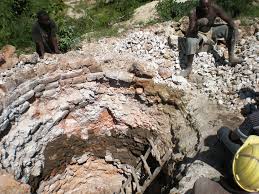
· A phosphate deposit has been found at Panda Hill in Mbeya, which could also be a source for local fertilizer production.
· The deposit is estimated to contain over 500,000 tonnes of phosphate reserves.
Other Phosphate Deposits:
· Several other phosphate deposits and occurrences have been discovered in southwestern, eastern, and northeastern Tanzania.
· Springer notes that further investigations are underway to determine the economic importance of these deposits.
Use of Phosphate Rock:
· Minjingu phosphate rock has proven beneficial for various crops, including coffee, tea, tobacco, and sugarcane, particularly in acidic soils.
· costech.or.tz notes that combining phosphate rock with organic fertilizers can increase soil phosphorus availability, especially for short-season crops like vegetables.
Challenges and Opportunities:
· Low adoption of local phosphate rock as a fertilizer is partly due to inadequate knowledge and perceived poor plant responses, costech.or.tz.
· costech.or.tz also points out that limited studies demonstrating the effectiveness of phosphate rock in increasing crop productivity contribute to low adoption.
· The potential to develop low-cost phosphate beneficiation methods is being explored, Southern African Institute of Mining and Metallurgy (SAIMM).
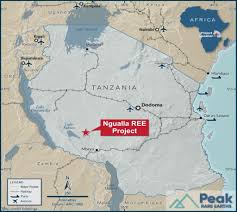
· Mining.com.au reports that Peak Rare Earths and Minjingu Mines are exploring a partnership to develop the Ngualla Rare Earth Project, which could become a multi-commodity project with phosphate as one of the resources.