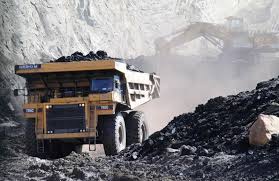
Coal mining in Tanzania is a growing industry with significant reserves, particularly in the southwestern regions. The country’s estimated coal reserves are around 1.9 billion tonnes, with the Ngaka mine and Rukwa coalfields being key areas of interest. While the industry is still relatively small, production has increased significantly, reaching 712,136 tonnes in 2019.
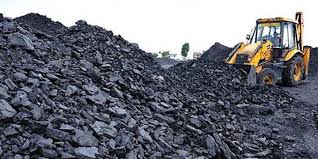
Key aspects of coal mining in Tanzania:
· Significant Reserves:
Tanzania possesses considerable coal reserves, estimated at 1.9 billion tonnes.
· Geographical Focus:
The main coal mining regions are in the southwestern part of the country, including Mbeya and Rukwa regions.
· Growing Industry:
The coal mining sector is experiencing growth, with production rising from 257,321 tonnes in 2015 to 712,136 tonnes in 2019.
· Major Mines:
Key mines include the Ngaka Coal Mine, the Rukwa coalfields, and the Kiwira Coal Mine, which was previously state-owned but now operates as a private entity.
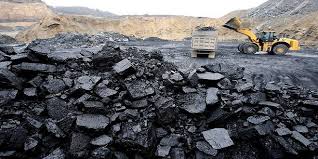
· Potential for Power Generation:
The Rukwa coalfields, with their 173 million tonnes of coal, have the potential to support a 120 MW coal-fired power plant for 30 years.
· Export Focus:
Tanzania’s coal exports have risen significantly, reaching a record $223.8 million in the year ending March 2023.
· Government Involvement:
The government is actively involved in promoting coal mining, including attracting investment and developing projects like the Mchuchuma mine.
· Mchuchuma Mine:
The Mchuchuma mine, with its estimated 400 million tonnes of coal reserves, is planned to be developed by the Tanzania government, with a focus on power generation and supporting industries like Liganga’s iron and steel works.
· Environmental and Social Considerations:
As with any large-scale mining operation, there are environmental and social considerations, including the need for sustainable practices and community engagement, which Tancoal Energy Limited aims to address.
For any enquiries about Coal deposits, mining & supplies please Contact Us.